Somewhere around 40 miles an hour, a lot of drivers around Grover feel it for the first time: a brief shudder through the seat and floor, like running over a washboard strip that is not there. It lasts a second or two, usually under light throttle at a steady speed, and then it is gone. Two very different systems get blamed for it, the tires and wheels, and the torque converter inside the automatic transmission. Sorting them apart before anyone quotes work is the whole job.
The claims about this symptom are confident and often wrong, because both suspects can produce a vibration near the same speed. The table below sorts the common claims into what holds up, what does not, and what depends on the details.
The claims, sorted
| Claim | Verdict | Why |
|---|---|---|
| A shudder at one steady speed is always tire balance | False | Balance problems usually build with speed and stay. A shudder that appears only under light load at one speed, then vanishes when you lift off or press harder, fits torque converter lockup better. |
| Torque converter shudder feels like rumble strips | True | That is the classic description. The lockup clutch inside the converter slips and grabs rapidly instead of applying cleanly, and the vibration travels through the whole drivetrain. |
| If it stops when you tap the brake, it is the converter | Mostly true | A light brake tap unlocks the converter on most vehicles while your foot stays on the gas. If the shudder ends at that exact moment, lockup is strongly implicated. |
| New fluid always cures converter shudder | It depends | Worn-out fluid with depleted friction properties causes many cases, and fresh fluid fixes those. A lockup clutch that is already glazed or worn will keep shuddering on new fluid. |
| Tire problems never come and go with throttle | True | A bent wheel, separated belt, or flat spot vibrates with road speed regardless of throttle. If throttle changes the symptom, look at the drivetrain first. |
| A shudder means the transmission is finished | False | Lockup shudder is often caught at the fluid or converter stage. It becomes a full rebuild question only when debris or other shift problems show up alongside it. |
What the converter is doing at 40
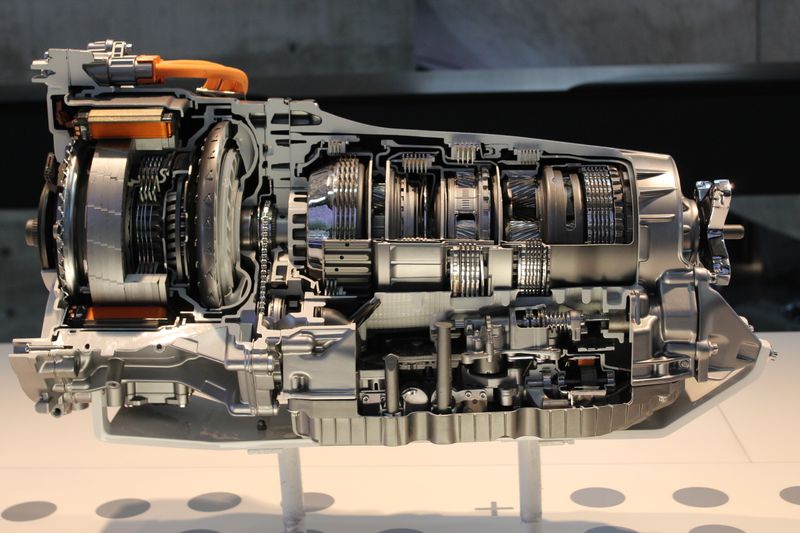
At light cruise, the transmission locks the torque converter so the engine and transmission turn together with no slip, which saves fuel. That lockup uses a friction clutch, and it applies right in the speed range most people drive on two-lane roads around Grover. When the clutch material wears or the fluid can no longer control the friction, the clutch chatters as it applies. You feel chatter, not a shift, which is why the sensation is a buzz or shudder rather than a bump.
The timing is the tell. Balance and tire faults do not care whether the converter is locked. Converter shudder cares about nothing else: it lives in the lockup window and leaves outside it. Speed up through the zone briskly and it may never appear. Cruise gently into it and it shows up on cue.
The driveway checks that actually separate them
Start with the tires because they are free to inspect. Look for uneven wear, a bulge in a sidewall, cupping along the tread edge, and any wheel that recently met a pothole or curb. Rotate the tires front to back if you are set up for it. A tire or wheel fault follows the tire to its new corner, and the character of the vibration often changes with it. A converter shudder does not move an inch when the tires rotate.
Then do the road test on a smooth, quiet stretch. Hold the speed where the shudder lives, keep a light throttle, and tap the brake pedal just enough to light the brake lights while holding the gas steady. If the shudder stops instantly, you have learned more in five seconds than a parts swap would teach you. Also note whether a firm press of the throttle, which unlocks the converter and often forces a downshift, clears it.
When each suspect is more likely
Mileage and history tilt the odds. Shudder on a vehicle with high miles and fluid that has never been serviced leans converter and fluid. Shudder that began the week after new tires, a rotation, or a pothole strike leans wheel and tire. Shudder paired with other transmission behavior, delayed engagement in the morning, flared shifts, or a whine, means the converter may be one symptom of wider wear, and the diagnosis should widen with it.
There is also a third suspect worth one line: engine misfire under light load can mimic a shudder, because the converter locks and transmits every uneven power pulse straight to the wheels. A scan for misfire counts belongs in any diagnosis that does not settle quickly.
What a proper diagnosis looks like
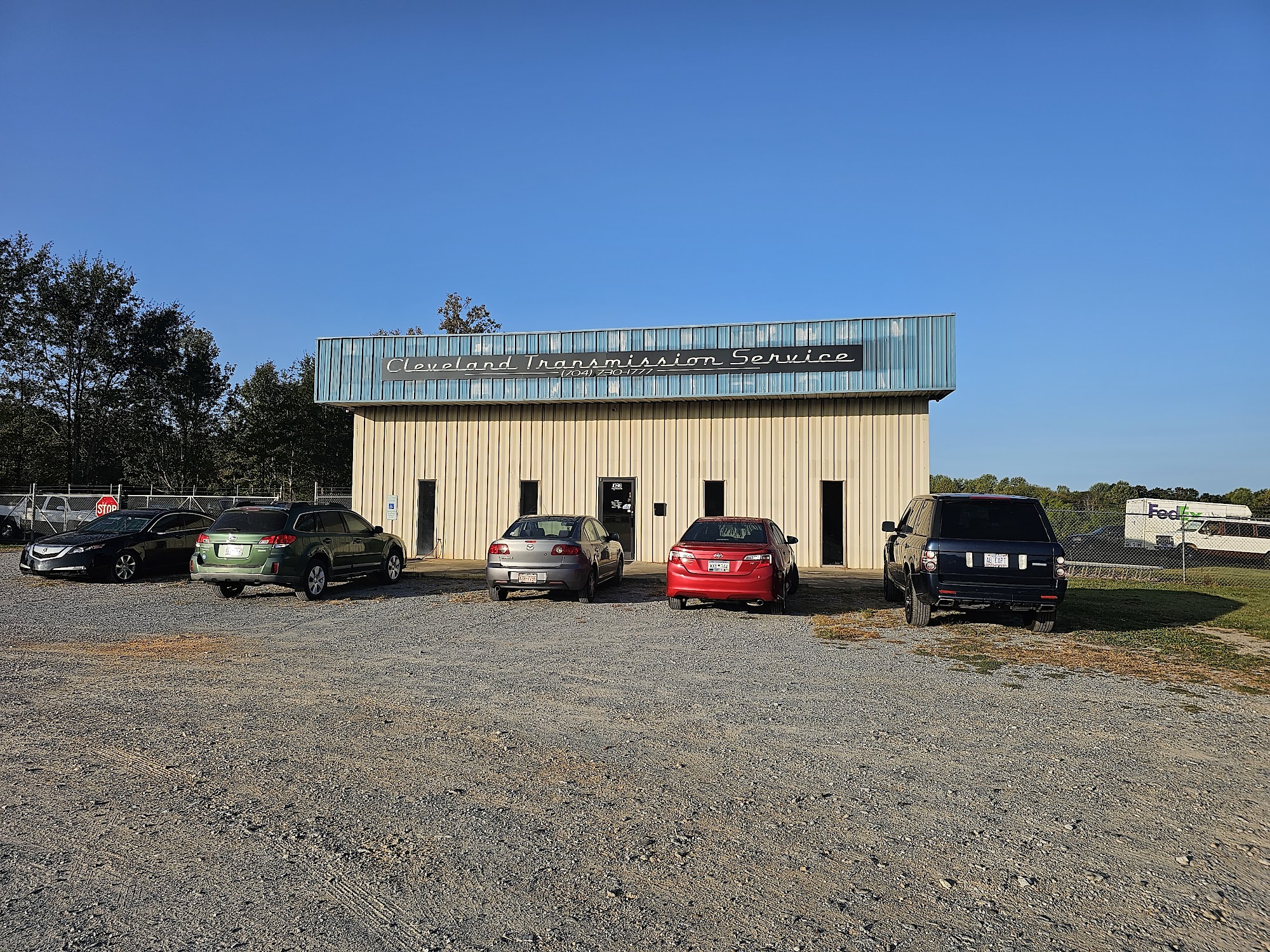
At Cleveland Transmission Service, as at any careful shop, the road test comes first, with a scan tool watching converter lockup commands and slip counts live. If the computer shows the clutch slipping beyond its allowed range exactly when you feel the shudder, the case is closed without opening anything. From there the path is staged: fluid service if the fluid is the likely culprit and the clutch still holds, converter replacement if the clutch itself is worn, and a wider conversation only if the pan tells a worse story when it comes off.
What you want to avoid is the reverse order, a tire bill followed by a balance bill followed by the diagnosis that should have come first. The symptom sorts cheaply. Let it.
Common questions
Is it safe to keep driving with a converter shudder?
For a short while, usually, but it will not heal. Each shudder is the clutch wearing a little more, and putting off the fluid check risks turning a converter job into a transmission job.
Will a fluid change make shudder worse?
Occasionally a worn clutch that was barely holding will slip more on fresh fluid, which is why a shop checks fluid condition and test results first and warns you when that risk is real.
Can a bad tire really feel like a transmission problem?
Yes. A separated tread belt can thump and vibrate convincingly. The throttle and brake-tap tests are what separate it, since tire faults ignore both.
Photos in this guide are representative stock images.
← All guides from Cleveland Transmission Service← Back to Cleveland Transmission Service