When a transmission in Grover finally needs more than a service, the conversation turns to three doors. Behind one, your own transmission is rebuilt in a shop. Behind the second, a remanufactured unit arrives on a pallet, rebuilt in a factory and ready to install. Behind the third, a used transmission comes out of a salvage vehicle with its history mostly unknown. All three can be the right answer. Which one depends on your vehicle, your timeline, and how long you honestly plan to keep it.
The season shapes the decision more than people expect. Transmissions rarely pick a convenient month to fail, but Piedmont driving has a rhythm: summer heat finishes off tired fluid and clutches, fall brings towing and hunting miles, and winter holidays are when a family vehicle absolutely cannot sit in a shop. Reading the choice against the season ahead of you, not just the week in front of you, leads to better calls.
What each door actually means
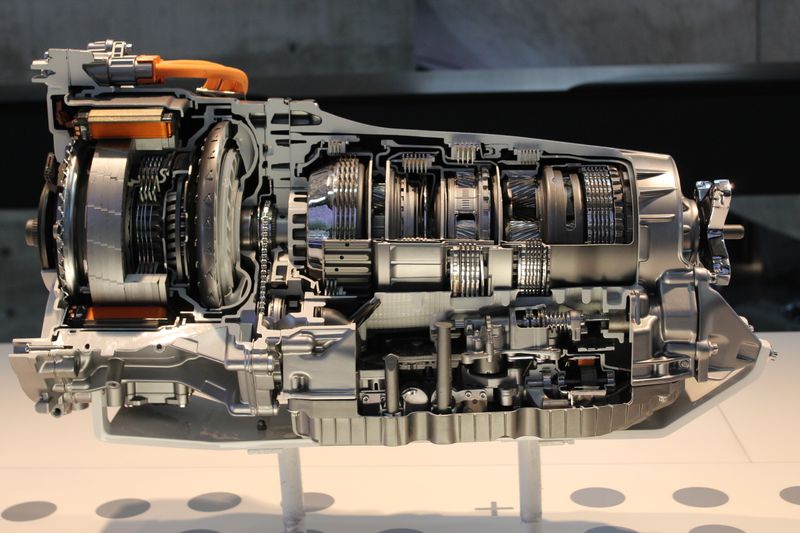
A rebuild means your unit comes out, comes apart on a bench, and gets its worn parts replaced: clutch packs, seals, bushings, solenoids as needed, the torque converter renewed, and any hard parts that measure out of specification. You keep your original case and any parts still in good health. The quality of a rebuild is the quality of the inspection, because the rebuilder decides part by part what stays.
A remanufactured unit is rebuilt too, but in a factory, to a fixed specification, with all wear items replaced whether they look tired or not, and often with factory updates incorporated that fix known weak points of that model. Your old unit goes back as a core. A used unit is exactly what it sounds like: pulled from a wrecked or retired vehicle, cleaned up on the outside, and sold as it ran when it came out.
Before summer: the heat test is coming
If a marginal transmission is limping into spring, the honest question is whether it survives July. Heat exposes every weakness in fluid and friction material, and a unit that slips mildly in April often fails outright in August traffic with the air conditioning running. Deciding in spring, on your schedule, beats deciding on the shoulder of the highway. For a vehicle you plan to keep for years, spring is when a rebuild or remanufactured unit makes the most sense, because you are buying the whole summer of hard use, not just getting by.
For a vehicle near the end of its life with you, a used unit installed before summer can be a rational bridge, as long as you go in clear-eyed: the warranty is short, the history is unknown, and the labor to install it is spent again if it fails.
Before winter: the timeline test
Failure near the holidays flips the priority from longevity to days without the vehicle. A remanufactured unit often wins that test, because it arrives complete and the swap is a defined job, while a bench rebuild takes the time it takes, including any surprise hard parts that must be ordered. A used unit can be fastest of all if one is nearby, and slowest if it arrives wrong or fails its first test drive. Ask any shop quoting in November for the realistic calendar, not the best case.
The decision checklist
Work through these before you choose a door
- How many more years do you plan to keep this vehicle? Three or more argues for rebuild or remanufactured; one argues for considering used.
- What did the diagnosis actually find? A unit with a damaged case or a failed hard part may price a rebuild close to remanufactured, which settles the question.
- What warranty comes with each option, in writing, and does it cover parts only, or parts and labor? A long warranty backed by a shop that will be here matters more than a longer one from far away.
- Does the remanufactured unit include known factory updates for your model's weak points? For some transmissions that alone justifies the choice.
- What is the real timeline for each option, including shipping and core return, and can you be without the vehicle that long?
- For a used unit: what is the mileage, what vehicle did it come from, and is there any test or start-up guarantee beyond a few days?
- Has the cause of the original failure been found? A cooler line restriction or electrical fault that killed the first unit will happily kill its replacement.
Warranties and risk, in plain terms
Risk moves in opposite directions across the three doors. Used is the lowest upfront commitment and the highest risk, because the part inside is a stranger. Remanufactured carries the broadest warranty coverage in most cases and spreads risk to the remanufacturer. A local rebuild sits between: the risk depends on the shop, and the warranty is only as good as the shop standing behind it, which for an established local shop like Cleveland Transmission Service is a relationship you can actually use. Read what a warranty requires of you, too, since some ask for a fluid service record to stay valid.
One rule holds across all three: never choose on the part price alone. Installation labor, fluid, programming on many modern units, and the cooler flush or replacement are part of every door, and they are identical money spent protecting very different levels of certainty.
Common questions
Is a remanufactured transmission the same as a rebuilt one?
Not quite. A rebuild renews your unit part by part based on inspection. Remanufacturing rebuilds to a factory specification with all wear items replaced and updates applied, and the unit you receive is usually not your original.
When is a used transmission a sensible choice?
When the vehicle is older, its remaining life with you is short, and you accept the risk honestly. It makes the least sense on a vehicle you depend on daily for years to come.
Why does the shop want my old transmission back?
That is the core. Rebuilders and remanufacturers need rebuildable cores to keep the supply going, and a core charge is refunded when your old unit is returned in rebuildable condition.
Photos in this guide are representative stock images.
← All guides from Cleveland Transmission Service← Back to Cleveland Transmission Service